Reducing Agricultural Equipment Cab Noise: A Practical Guide for OEMs, Dealers, and Operators
TL;DR: Reducing operator noise isn't a one-size-fits-all decision. Whether you're designing a tractor, servicing a combine, or operating a sprayer, the best solution starts with understanding where noise is coming from and treating sources, paths, and the operator’s environment with the right combination of materials and engineering.
Summary: As much as 8% of farmers and 3% of farm workers (~ 374,000 people) experienced deafness or serious difficulty hearing, according to a 2018 USDA Economic Research Service survey.
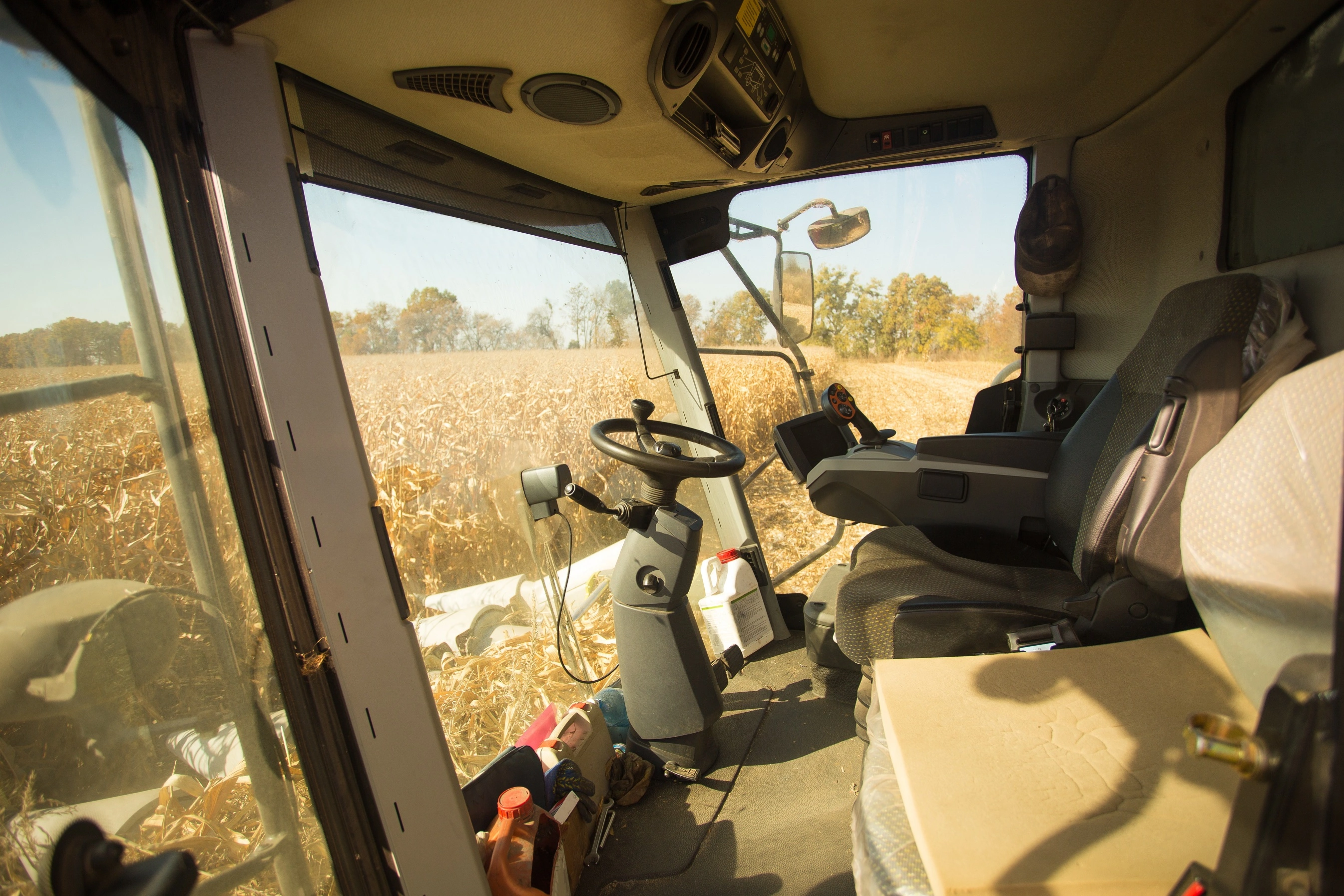
Top Image: Inside the cab of a combine harvester.
Agricultural equipment has come a long way in improving operator comfort, but noise remains one of the most common challenges inside the cab. Whether the machine is a tractor, combine, sprayer, forage harvester, loader, skid steer, or other cab-equipped agricultural vehicle, excessive noise can contribute to operator fatigue, communication difficulties, reduced concentration, and long-term hearing concerns.
Research continues to show that noise exposure is a significant occupational risk in agriculture. A 2022 tractor-cab study confirmed that improving cab sound insulation can meaningfully reduce operator noise exposure.
At Soundcoat, one of the most important lessons we've learned through field evaluations is simple: The best noise solution starts with identifying the specific noise sources and paths before selecting materials.
- How noise is entering the operator area
- What frequencies are involved
- Whether the problem is airborne noise, structure-borne vibration, panel resonance, rattles, or a combination of factors
Understanding Where Agricultural Equipment Noise Comes From
Before selecting any material, it is important to understand the noise sources.
Common Noise Sources in Agricultural Equipment
Depending on the machine, operator noise may originate from:
- Engine compartments
- Cooling fans
- Hydraulic pumps and systems
- Transmissions and gearboxes
- Intake and exhaust systems
- Driveline components
- Tracks or tires interacting with terrain
- Harvesting mechanisms
- Augers and conveyors
- Structural vibration transmitted through floors and panels
- Thin sheet metal panels that resonate
- Gaps and openings that allow sound leakage
- Loose trim components and rattles
- Metal-to-metal contact points
Common Equipment Types with Operator Noise Challenges
Noise concerns frequently arise in:
- Tractors
- Combines
- Self-propelled sprayers
- Forage harvesters
- Skid steers
- Compact track loaders
- Wheel loaders
- Telehandlers
- Utility vehicles

Above Image: Farmer inside the cab of a tractor in a field.
Why Noise Source Identification Matters
One of the most valuable tools available today is acoustic diagnostics. While many OEMs have their own acoustics teams, Soundcoat can go a step further with acoustic modeling and predictive analysis of material performance —before anything is ever applied or installed. Without proper diagnosis, even high-quality materials may deliver disappointing results because they are addressing the wrong problem.
For example:
- An engine compartment may require absorption and barrier materials.
- A vibrating floor pan may require damping treatment.
- An empty cavity may require sound absorbing filling material.
- A rattling joint may require closed-cell foam isolation.
- A sound leak around an enclosure may require sealing and gasketing solutions.
CHOOSING THE RIGHT MATERIAL FOR NOISE PROBLEMS
There is no universal agricultural equipment noise solution. The best material depends on the source and transmission path of the noise.
When to Use Acoustic Absorption Materials
Materials can help reduce reflected noise and improve overall acoustic comfort in applications such as:
- Cab interiors
- Engine compartments
- Equipment enclosures
- Empty cavities that amplify sound
Depending on the environment, solutions may include:
- Soundfiber AF UL for higher-temperature applications up to 150°C
- Soundfoam O
- Soundfoam WSP, which offers hydrophobic properties for moisture-prone environments
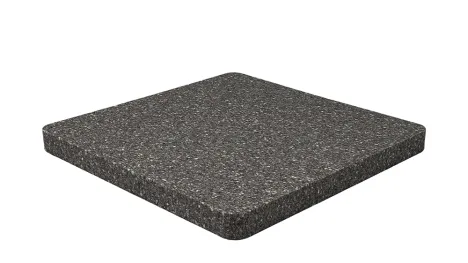
- Soundfoam Rebond, which can be used to fill cavities that may otherwise amplify noise
Image, Right: Soundfoam Rebond
When to Use Barrier Materials
Barrier materials are intended to block sound transmission from one side of a structure to another. Barrier products are often most effective when noise is entering the cab from adjacent machinery compartments.
Common applications include:
- Cab floors
- Firewalls
- Equipment partitions
Examples include:
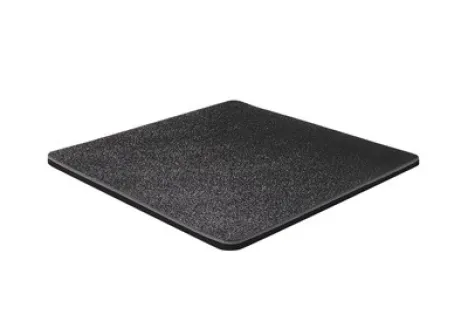
- Wearmax CCF, often used as a floor mat solution
- Soundmat PB, which combines mass-loaded vinyl with acoustic foam to provide both sound blocking and sound absorption benefits
Image, Left: Wearmax CCF
When to Use Damping Materials
Many agricultural machines generate vibration that travels through panels and structures before becoming audible noise inside the operator area. In these situations, damping materials can be highly effective.
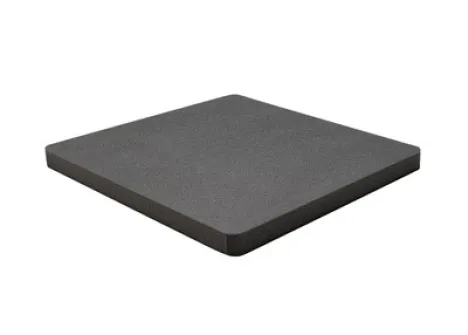
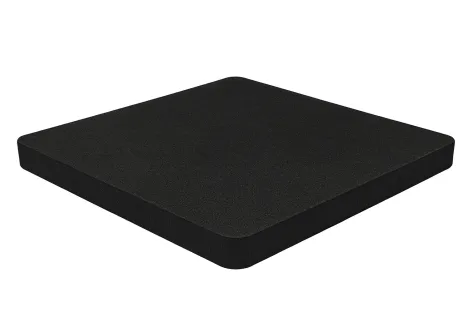
One example is Foam Damping Sheet, which combines a viscoelastic damping layer to reduce structure-borne vibration with acoustic foam that absorbs sound energy.
These materials are commonly used on metal panels prone to resonance, such as:
- Floor pans
- Side panels
- Cab structures
- Machinery covers
Image, Right: Foam Damping Sheet
When to Use Closed-Cell Foams
Sometimes the problem is neither airborne noise nor panel vibration. Instead, the issue may be rubbing, impact, or movement between components.
Closed-cell foam products can be used at metal junctions and contact points where movement may create squeaks, rattles, and buzzes. While these noises may seem minor individually, they often have a noticeable effect on perceived operator comfort.
Image, Left: Soundfoam CSB
Protective Facings and Composite Solutions
Agricultural environments can be demanding; dirt, dust, moisture, and chemicals can negatively impact acoustic material performance and longevity. Protective facings such as perforated vinyl and matte polyurethane films can improve durability and cleanliness.
Soundcoat's composite and facing capabilities (including the Uniseal process, which fully encapsulates foam) can help extend service life in challenging operating conditions.

When OEMs Should Address Agricultural Equipment Noise
Of the three groups involved in equipment noise reduction, OEMs have the greatest opportunity to achieve meaningful long-term results. From our experience, the biggest reduction and greatest operator benefit occur when NVH considerations are incorporated into the design process from the beginning.
Benefits of Addressing Noise During OEM Design
Research has shown that airborne noise can significantly contribute to tractor cab noise, and that improving cab sound insulation is an effective noise-reduction strategy. When noise is considered early, manufacturers typically have more flexibility and more solution options available than after the machine reaches the field. OEMs can:
- Identify noise sources before production
- Optimize component placement
- Improve enclosure design
- Select appropriate materials from the outset
- Reduce noise paths before they become built into the machine
- Improve operator comfort without relying solely on retrofit solutions
When Dealers Should Consider Noise Reduction
Dealers often interact with customers who like their equipment but wish it were quieter. This creates an opportunity to improve operator comfort through targeted aftermarket solutions. Dealers can:
- Identify recurring operator complaints
- Recommend noise-reduction upgrades
- Offer professionally designed retrofit kits
- Increase customer satisfaction
- Create additional service and parts revenue opportunities
At Soundcoat, we work with dealers to help specify aftermarket kits that can be offered directly to equipment owners. By identifying the noise problem first, dealers can provide more effective solutions rather than relying on haphazard or one-off insulation approaches.
When Operators Should Consider Noise Reduction
For equipment owners and operators, noise reduction often becomes a priority when:
- Long operating days increase fatigue
- Communication becomes difficult
- Noise interferes with concentration
The good news is that replacing the machine is not always necessary.
Questions Operators Should Ask
Before purchasing materials, operators should answer these questions to reach a more effective solution:
- Where is the noise coming from?
- Is the noise constant or intermittent?
- Does it change with engine speed?
- Does it increase during hydraulic operation?
- Is the sound entering through the floor, firewall, roof, or doors?
- Are panels vibrating or rattling?
CONCLUSION
Choosing the right noise solution for agricultural equipment starts with understanding the problem you're trying to solve. Engine noise, hydraulic systems, vibrating panels, sound leaks, and rattles all require different approaches, which is why identifying the source of the noise should always come before selecting materials.
For OEMs, addressing NVH during product development typically offers the greatest opportunity to improve operator comfort and overall machine performance. Dealers can add value by helping customers identify practical retrofit opportunities, while equipment owners can often achieve meaningful improvements without replacing productive machines.
If you're unsure where the noise is coming from, acoustic diagnostics, sound-level measurements, and application-specific material recommendations can help eliminate the guesswork. Soundcoat works with OEMs and dealers to identify noise sources and develop practical solutions that improve operator comfort and reduce noise exposure in real-world agricultural environments.
Ready to take the first step? Talk to one of our acoustic experts now.